There’s No Such Thing as a Self-Coached Athlete

I learned recently that only 9 percent of triathletes have a coach. This struck me as a very small number—until I learned that just 5 percent of runners have a coach. Now, I’m no mathematician, but I think this means that 91 percent of triathletes and 95 percent of runners are self-coached.
Or does it?
To some extent this question is one of semantics. But to the extent it’s not, I would argue that in fact there is no such thing as a self-coached athlete. And if I’m right, then 91 percent of triathletes and 95 percent of runners have no coach.
There are some things coaches do for athletes that athletes can do for themselves. These things include creating training plans, analyzing workouts, and learning about the sport. But there are other things coaches do for athletes that athletes cannot do for themselves—at least not as effectively. These include having the athlete’s back during difficulties, calling out the athlete’s self-deceptions, and inspiring trust.
You might have noticed that the list of coaching responsibilities that athletes can handle for themselves (though not always very well) are all technical in nature, whereas the areas in which the coach is irreplaceable are relational. Any great coach will tell you that the technical part of coaching is the least important part. Golden State Warriors Coach Steve Kerr, for example, has stated that “coaching is 90 percent creating an environment and 10 percent strategy.”
I myself am not a great coach, but for what it’s worth I agree with Kerr, and I coach in a manner that is consistent with this belief. Within just the past week I had three separate athlete interactions that illustrate my “90/10” approach to my craft. Each of these three athletes was engaging in a different form of self-sabotage. Namely: overtraining, poor adherence to pace and intensity targets, and choking. In all three cases, I concluded, the problem was rooted in a psychological blind spot within the individual. Hence, even though the problems were superficially training-specific, I focused on the underlying psychology in my efforts to help the athletes work through them.
This sort of thing is exceedingly difficult for an athlete to do on their own. And that is why I say there is no such thing as a self-coached athlete. Either you have a coach who inhabits a separate body and helps you in ways you can’t help yourself or you go it alone and miss out on the most important services that a good coach provides.
It might sound self-serving of me to state the opinion that more athletes should have coaches, but understand that I have a full client roster plus a waiting list. I’m not looking for clients. The reason I hold the opinion that more athletes should have coaches is simply that I want athletes I will never coach to enjoy the rewards and benefits of coaching.
This belief is also central to the mission of 80/20 Endurance. We are the hub of a global community of athletes that numbers in the tens of thousands, and our reach continues to expand every day. The vast majority of these athletes do not work one-on-one with a coach, which is precisely why they’ve come to us; in many ways, we function as their coach.
That said, there is an important distinction between following a training plan and having access to coaching guidance. Our training plans are exceptionally effective, but even the best plan can’t answer questions, provide reassurance, or help an athlete adjust when life inevitably intervenes.
To help bridge this gap, we now provide coach support in multiple ways. Athletes who purchase an 80/20 Endurance training plan receive free coach email support for the duration of that plan. This includes help with plan selection, guidance on modifying workouts, clarification of training concepts, and answers to common technique and execution questions.
For athletes who want ongoing guidance, our Gold and Silver subscription options include year-round access to coach support. Subscribers can reach out for help selecting and changing plans, adjusting training around travel or illness, understanding workouts and metrics, and getting answers whenever questions arise. While this support is not intended to replace full one-on-one coaching, it provides meaningful human guidance that most self-coached athletes otherwise lack.
We are confident there is no better source of endurance training plans—and no better combination of plans and coaching guidance—than 80/20 Endurance. And for athletes who want TrainingPeaks Premium, we offer it to all of our athletes at a 20 percent discount, making a powerful training ecosystem even more accessible.
We’re also working from the top down to make coaching more accessible. Late last year we rolled out the 80/20 Endurance Coaching Certification Course, and the first graduates are now applying what they’ve learned in the real world. We intend to continue supporting certified coaches and expanding opportunities that connect athletes with knowledgeable, values-aligned professionals.
More to come!
About the author
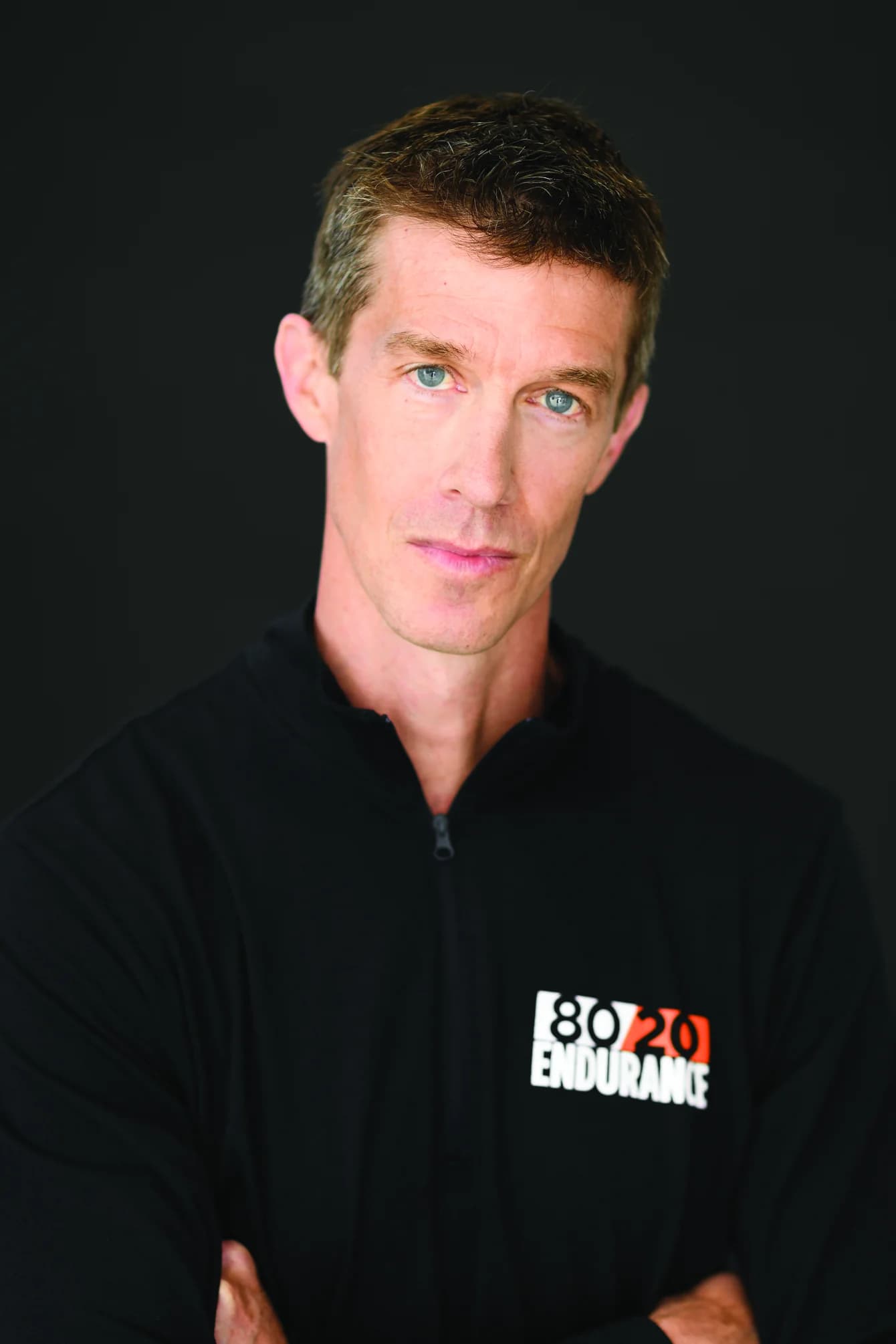
Matt Fitzgerald
Co-founder, 80/20 Endurance
Matt Fitzgerald is an endurance sports coach, nutritionist and the author of 80/20 Running, 80/20 Triathlon, The Endurance Diet and How Bad Do You Want It? His training plans have helped thousands of athletes of every level reach their goals.
More about Matt