Cloning Myself

AI can be used with good or bad intentions. Ironically, being a victim of bad AI motivated and taught me how to use it for good.
Last October I learned that Anthropic, the AI behemoth, had illegally pirated eighteen of my books—along with half a million other books by three hundred thousand other writers—for use in training its popular Claude product. A class action lawsuit had been brought against the company on behalf of injured authors, resulting in an unprecedented 1.5 billion-dollar settlement. I stood to receive a mid-five-figure slice of the pie if a judge in San Francisco approved the settlement at a hearing the following spring.
How often does money just fall out of the sky like that? Not very. Usually it’s the other way around, with surprise financial news taking money out of your pocket, like the time I discovered that I owed a restoration company eleven thousand dollars for work they’d done on a house of mine that had suffered water damage two years earlier—work I’d thought my insurer had already paid for. I still haven’t seen a dime of that settlement, by the way, but already I’ve gained something even more valuable: a clone.
Two clones, actually. The first was a chatbot that I created using Delphi, a platform where authorities like Michael Ovits and Dr. Mark Hyman extend their professional reach with AI’s trained on their individual knowledge, philosophy, style, and voice. I’m not Tony Robbins, but I doubt his clone is as well-trained as mine, which has memorized all forty of my books plus hundreds of shorter pieces I’ve published in an endurance sports-focused writing career spanning more than thirty years.
Until Anthropic stole a chunk of my life’s work, I seldom thought about the value of my past writing. No sooner had I finished one project than I was on to the next one, determined to do better. The Anthropic case gave me a different perspective. A billion dollars is nothing for those people, and they’re pretty smart. If they saw value in my library, why not return the favor by using their technology to do something better with all those words? So I cloned myself.
My first conversation with my Delphi clone was—to use word that’s famously misapplied but will soon define the human condition—surreal. Having fed my collected works to the bot, I was now training it to write and talk like me. Posing as a first-time marathoner, I asked my AI doppelganger for some training tips. Seconds later I had a ten paragraphs of solid guidance that accurately reflected my beliefs, but the prose was atrocious—bland, generic, and rife with cliches. “Training for a marathon is no walk in the park,” it began. Seriously? Imagine meeting your clone for the first time and the first words out of their mouth are, “Hot enough for you?”
A few more rounds of ruthless critiquing improved the AI’s style to the point where I was no longer mortified by the idea of having it represent me publicly. I held my breath and shared the link on Substack, Instagram, and elsewhere; braced for a stampede, I got crickets instead. Of the more than two hundred thousand athletes who received the link, just forty-two clicked on it, and only eight came back for a second chat.
The problem wasn’t the clone itself, I decided, but its lack of context. When an athlete asks me—the real me—a question, they do so within a specific context, such as a weekly video call with someone I coach one-on-one. Athletes don’t just find out where I live, catch a flight, ring my doorbell, and hit me up for advice. The lesson was clear: To help those I wished to help with AI, I needed to meet them where they already are instead of expecting them to come to me. Hence my second clone.
It came about when I presented my first clone to David Warden and Jim Vance, my partners at 80/20 Endurance, and we began to brainstorm ways to leverage it within the company. The result is Mind of Matt, a multitalented AI that is able to read and interpret data from athletes’ TrainingPeaks accounts—everything from heart rate numbers to sleep scores and even written comments—and provide a comprehensive analysis and coaching guidance in a weekly summary email. Like my Delphi chatbot, Mind of Matt knows pretty much everything I know, understands my philosophy, and shares my style of communication. But unlike my Delphi chatbot, Mind of Matt meets athletes where they already are, enhancing an online coaching experience they already value enough to pay for. We rolled it out in July, receiving an overwhelmingly positive response from our beta testers. Mind of Matt is now included in our Gold Annual, Gold Monthly, and TrainingPeaks Premium subscriptions. All you have to do is sign up and opt in.
And that’s just the beginning. Our future plans include a coach version of Mind of Matt that functions like a magical second brain for coaches, remembering everything, performing deep analysis, and identifying action priorities, helping coaches make informed and timely decisions without making the decisions for them.
Artificial intelligence is a polarizing topic. Some say it will destroy humanity by enslaving us to technological overlords. Others say it will save humanity by creating a post-work utopia where everyone is born retired. I say it depends on what we do with it. To the extent that we use AI to make money, it will have negative effects on society. And to the extent that we use it to serve our fellow humans, letting the money side take care of itself, AI users like me and my 80/20 partners will make life better for people.
Raw greed drove Anthropic’s choice to steal my books, and raw greed will continue to guide the company’s choices, settlement notwithstanding. If I ever do receive my share of the pot, I will invest a portion of the windfall in my nascent efforts to stop AI from ruining everything, not by resisting the tech but by using it to have fun making stuff people love. So thank you, Anthropic, for breaking the law and showing me the true value of my life’s work.
About the author
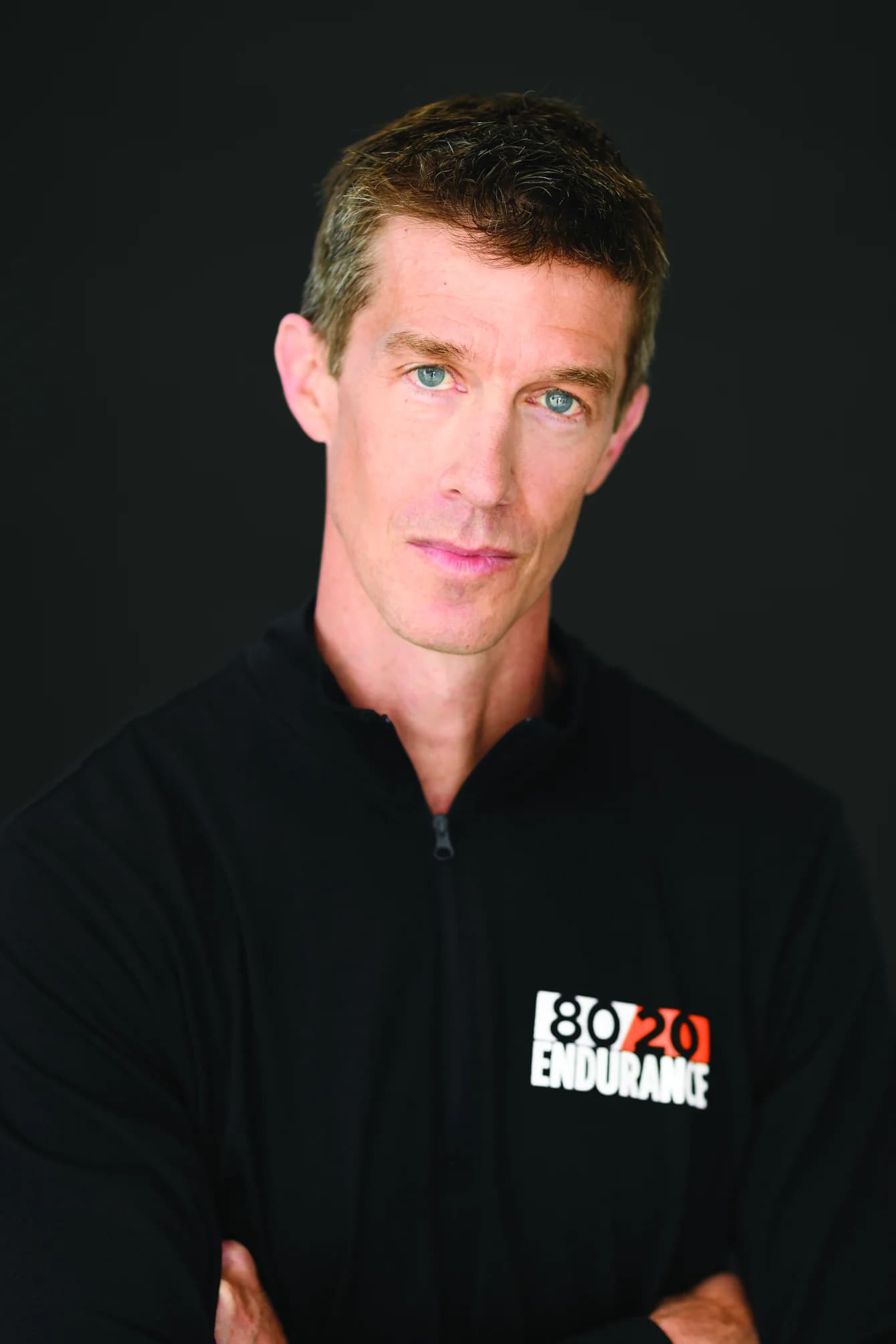
Matt Fitzgerald
Co-founder, 80/20 Endurance
Matt Fitzgerald is an endurance sports coach, nutritionist and the author of 80/20 Running, 80/20 Triathlon, The Endurance Diet and How Bad Do You Want It? His training plans have helped thousands of athletes of every level reach their goals.
More about Matt