10 Bad Habits Endurance Athletes Should Break (If They Want to Improve)
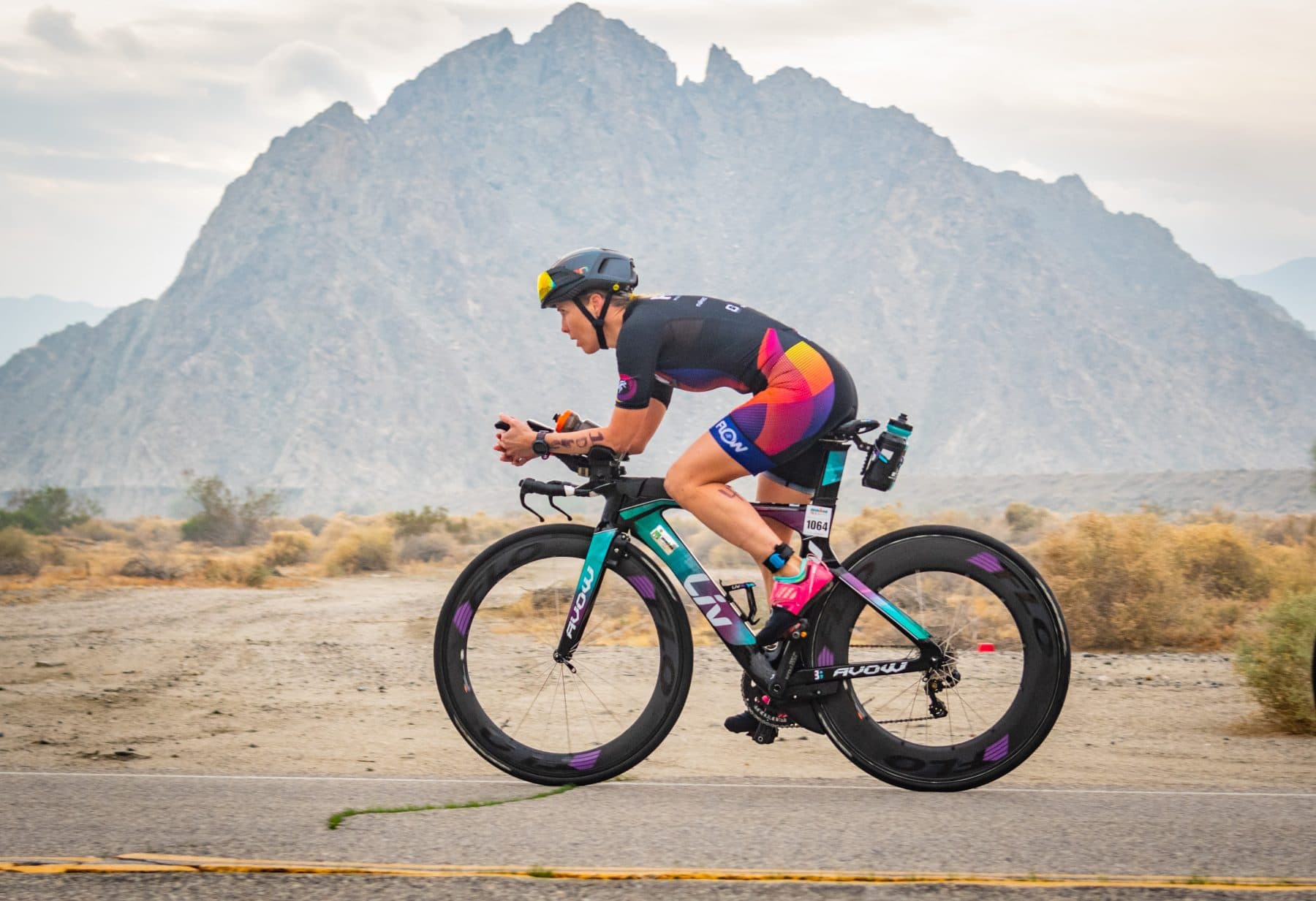
Whether you’re training for a triathlon, marathon, or your next big adventure, success doesn’t just come from what you do, but also what you stop doing.
Endurance athletes are known for their discipline, but even the most dedicated among us can fall into habits that quietly sabotage progress. Here are 10 bad habits endurance athletes should leave behind if they want to train smarter, recover better, and race faster!
#1 Skipping Recovery
Recovery isn’t a luxury—it’s part of the training. What you eat, how much you sleep, and even how easy your “easy days” really are will make or break your progress. Training = Stress + Recovery. Skip the recovery, and you’re just accumulating stress.
And let’s be honest—those beers and late nights aren’t exactly performance enhancers. This is the first bad habit endurance athletes need to quit, right now.
#2 Copying Other People’s Workouts
Your training needs to align with your goals, not those of your training partner. Group sessions are great—if they’re aligned with what you need. Otherwise, they can pull you off course. Get comfortable training solo when necessary and don’t let ego or peer pressure steer your plan.
While joining a group ride or run isn’t the worst bad habit endurance athletes make, it should not be your only training option.

#3 Stop Self-Sabotaging
Skipped sessions because you’re “not in the mood”? Missing your brick workout because the bike felt hard? These decisions erode your fitness and confidence. Training should be your outlet, not another stressor. Break the bad habit. Show up, even if it’s not perfect.
#4 Ignoring Nutrition and Body Composition
You don’t need to look like a pro, but carrying around excess weight makes training harder and racing slower. It also increases your injury risk. Nutrition directly affects recovery, energy levels, and how well your training sticks.
It’s not about being skinny—it’s about being strong, healthy, and optimized.
#5 Stop Chasing Volume for the Sake of Volume
More isn’t always better. It’s often just more fatigue. Quality trumps quantity—always. Your goal isn’t to train the most hours, it’s to improve. And that doesn’t always mean doing more. Chasing volume is one of the top bad habits endurance athletes should quit today.

#6 Quit Repeating the Same Training, Expecting Different Results
If you’ve hit a plateau or feel like your progress has stalled, one bad habit endurance athletes can quit today is to stop doing more of the same workouts. It won’t help. Your body adapts to repetition, so mix it up! Challenge it with new stimuli, adjust your plan, and shake up the routine.
#7 Skipping Warm-ups and Cool-downs is one of the top Bad Habits of Endurance Athletes
The older you get, the more important this becomes. Warm-ups prepare your body and mind; cool-downs speed up recovery. Skipping them is like ignoring a tune-up for your car before a road trip—it’ll catch up with you eventually.
#8 Stop Avoiding Technology, but Also, Do Not Depend Solely On Your Smartwatch or Bike Computer
You use tech in every part of your life—why not your training? Power meters, heart rate monitors, and GPS devices offer valuable feedback. If you’re ignoring the data, you’re missing out on insights that can help you improve faster and train more efficiently.
This being said, the opposite can also be true- not to solely depend on your training apps. Coach Matt Fitzgerald has written several blogs on this topic to help endurance athletes quit bad habits.
Here’s two worth reading: Relationship Counseling for Athletes and Their Devices and The Less You Need Your Smartwatch, the more Useful it Becomes.

#9 Give Up the Obsession Over Having the Latest Gear
A new bike won’t solve the bad habits endurance athletes have. If your training, recovery, or fueling is off, even the fanciest equipment won’t save your race. Nail the fundamentals first. Then you can treat yourself. But there has never been a piece of equipment that was so good, it allowed athletes to train dumb.
#10 Stop Talking Down to Yourself
Your mindset is one of your most powerful tools. What you tell yourself matters—especially on race day. Confidence is built in training and confirmed at the start line. If you don’t believe in your ability, no one else will.
Final Word on Bad Habits Endurance Athletes Need To Break Now:
Improving as an endurance athlete doesn’t always mean adding more. Sometimes it’s about subtracting what’s holding you back. So, quit the bad habits endurance athletes often have and make room for progress, performance, and a little more joy in the journey!
Want more coaching advice or a training plan? Reach out to me through my 80/20 Endurance Contact Page, and let’s chat!
-Coach Jim Vance
About the author

Jim Vance
Coach and author, 80/20 Endurance
Jim Vance is an elite endurance sports coach, author and training consultant based in San Diego who coached Olympian Ben Kanute to the American record at Ironman distance and two silver medals at the 70.3 World Championships. He wrote Triathlon 2.0 and Run with Power and co-edited Triathlon Science.
More about Jim