The Truth About “Going by Feel” in Training
“Those who cannot remember the past are condemned to repeat it.”
— George Santayana
Going By Feel
I once sat down with a very high-level elite triathlete to talk goals, training direction, and performance review. When I asked about their power and pace data, they replied:
“I just go by feel. I don’t really use data.”
That mindset is more common than you think—and more limiting than it appears.
It’s Not Going By Feel vs. Data—It’s Feel and Data
There’s a misconception, especially among elite-level athletes, that training by feel and training with data are at odds. That somehow using power meters, HR monitors, or pace files means you’re ignoring your instincts. Coach Matt Fitzgerald has written several blogs on this subject, including “A Power Meter is Like a Thesaurus” and “The Less You Need Your Smartwatch, the More Useful it Becomes.”
But here’s the truth: the best athletes in the world go by feel—and they use data to sharpen it.
Elite performance lives in the smallest margins. Whether you’re trying to find 5% or 0.5%, you can’t afford to guess. Knowing what your body is doing and how it’s responding to load gives you confidence in your decisions.
Going by feel tells you what’s happening.
Data helps confirm—or challenge—whether that feeling is real.
Going by Feel Is a Skill—And Data Builds It
When an athlete tells me, “I feel off today,” I look at the numbers. Sometimes the data confirms fatigue, and we adjust. Other times, the data shows high-quality work despite fatigue—and that boosts confidence. Data is a mirror, not a muzzle.
Likewise, when reviewing seasons of data, patterns emerge:
1. What types of training you respond to best
2. What balance of intensity and recovery is needed
3. How your body changes over time
This is where real growth happens—not just in the moment, but across seasons and cycles.
What the Best Coaches Know About Going By Feel
Darren Smith, one of the most successful triathlon coaches ever, asked athletes to rate how they feel before every session. That rating is 100% subjective. Yet it becomes a metric that informs training load, stimulus, and intention for the day.
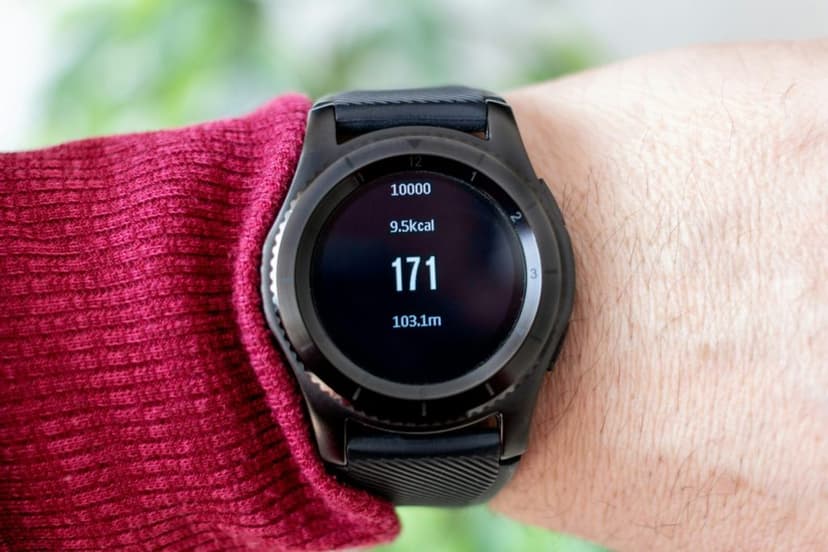
If you don’t have Darren Smith next to you, you need something else to help you assess readiness. That’s where training data comes in. It allows you to spot trends, assess fatigue, and make smarter adjustments. The best athletes don’t guess when to push or pull back—they read the signals, both internal and external.
Don’t Fear the Numbers
I’ve heard coaches brag about banning GPS or power meters. That’s not tough—that’s blind. Either they don’t understand how to use data, don’t want their athletes to question them, or they’re afraid of the truth it reveals.
Good coaching—and smart training—isn’t about ignoring the ‘going by feel.’ It’s about building a better feel through feedback. Training will never be perfect, but data gets you closer. And when paired with strong intuition, it sharpens everything.
Final Word on Going By Feel
“Going by feel” isn’t wrong. In fact, it’s essential—especially at the highest level. But feeling without context is a guess. Feeling with data is a weapon.
The goal isn’t to pick between art and science. It’s to master both.
Use the tools. Trust your instincts. And keep learning from your own history.
-Coach Vance
To learn more about Coach Jim Vance or to work with him as your coach, head over to his 80/20 Endurance Coaching Page.
About the author

Jim Vance
Coach and author, 80/20 Endurance
Jim Vance is an elite endurance sports coach, author and training consultant based in San Diego who coached Olympian Ben Kanute to the American record at Ironman distance and two silver medals at the 70.3 World Championships. He wrote Triathlon 2.0 and Run with Power and co-edited Triathlon Science.
More about Jim