Get INTO Your Comfort Zone

The phrase “comfort zone” has mostly negative connotations. A comfort zone is generally understood to be a metaphorical place where a person clings to familiar routines and avoids embracing the new challenges that stimulate growth. One is rarely advised to stay in this safe place. The advice is always to get out of one’s comfort zone.
What Would Friedrich Nietzsche Say?
I won’t deny that improvement in any part of life—sports, business, relationships, you name it—is impossible without discomfort. As Friedrich Nietzsche put it, “What does not kill us makes us stronger.” But I believe that comfort itself also plays a valuable role in the pursuit of improvement. After all, in order to get out of your comfort zone, you must first have one to get out of!
In sports, for example, a comfort zone is a set of routines developed over time that work well for an athlete. The athlete draws comfort from those routines precisely because their effectiveness is well proven. Without such familiar habits an athlete has no foundation from which to push himself or herself through discomfort to new levels of achievement.
But Then There’s Joan Benoit Samuelson…
All great athletes know the value of a routine. The great American marathon runner Joan Benoit Samuelson once said, “Becoming a champion requires that you are comfortable when and where you are training.” Throughout her brilliant career, which included a victory in the 1984 Olympic Marathon, Samuelson trained alone in her home state of Maine.
Her sponsor, Nike, tried to coax her into moving to Oregon to train with other top runners but she refused. Although in theory it would have made sense for her to take advantage of Nike’s resources and coaches and team environment, Samuelson liked where she was and believed in what she was doing, so she stayed in her refuge and the results of that choice speak for themselves.
Of course, Samuelson knew how to step outside of her comfort zone as well. She trained extremely hard and continuously challenged herself to achieve greater and greater goals. But those uncomfortable challenges always occurred in the context of a favored environment and a custom-fitting training system developed over many years—a comfort zone.
Every athlete knows that success comes through hard work. But there are many different ways to work hard and no single way is right for all athletes. No less important to success is discovering one’s own best way of working hard. Athletes aren’t robots; they’re human beings. To become the best athlete you can be you have to consider everything that affects you as a person. If you are a happier in person in Portland, Maine, than you are in Portland, Oregon, then you will probably work harder and more consistently in Maine and thus improve more.
Comfort Zone as Life
What’s true in sports is true in the rest of life. As a professional writer, I have cultivated a unique way of working, one full of all kinds of idiosyncrasies, that suits me. Without this a comfort zone I would not have the confidence to challenge myself to do things as a writer that I have never done before.
In fact, the key to performance in endurance sports is a “comfort zone” in the form of easy training. The 80/20 system is built on 80 percent of training at an easy pace, a metaphor that can easily translate to everyday life.
Take some time to think about the elements of your comfort zone as an athlete, entrepreneur, or whatever else. What strengths have you relied on for the success you’ve achieved? Chances are what worked well in the past will work again in the future. Is anything lacking? Don’t be afraid to do things ever more your way.
About the author
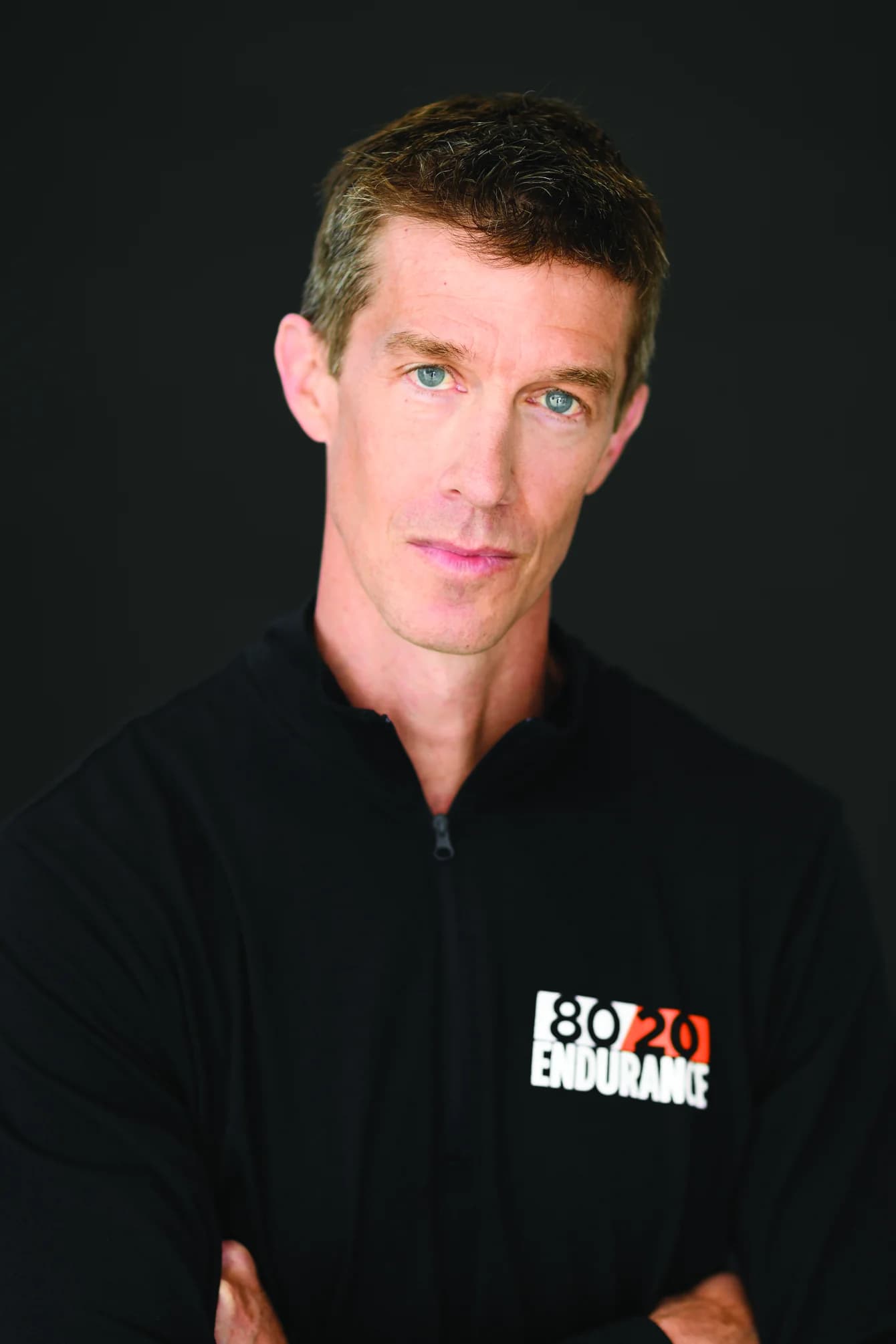
Matt Fitzgerald
Co-founder, 80/20 Endurance
Matt Fitzgerald is an endurance sports coach, nutritionist and the author of 80/20 Running, 80/20 Triathlon, The Endurance Diet and How Bad Do You Want It? His training plans have helped thousands of athletes of every level reach their goals.
More about Matt