New Book! The Norwegian Method
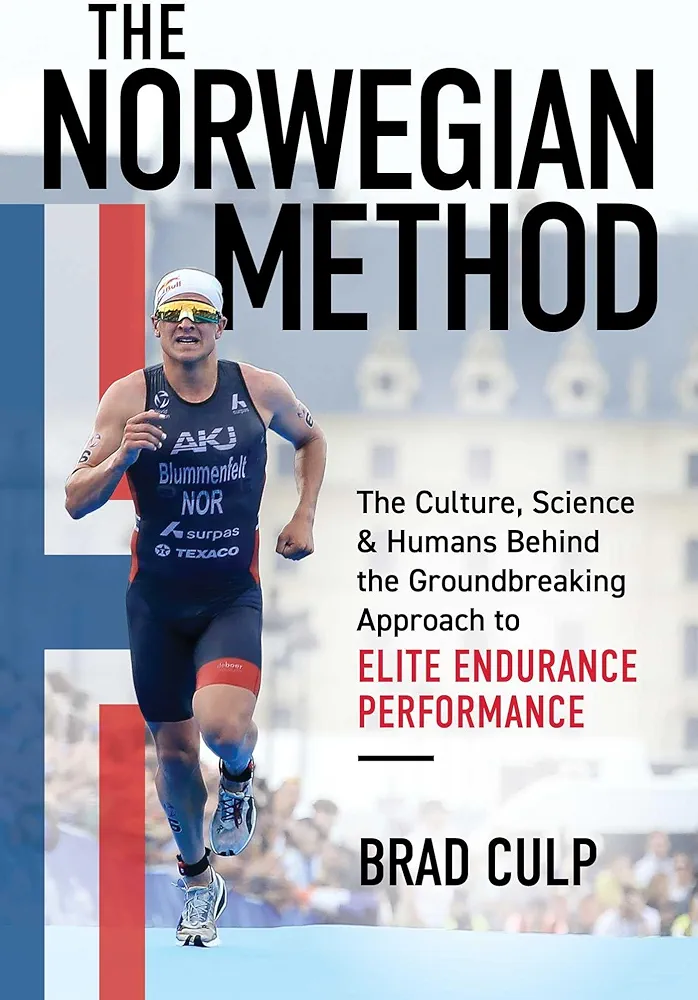
The Norwegian Method is not a sports science book. I hope that doesn’t turn you off from reading it. There’s plenty of sports science in it, but that’s not the crux of what the book is about. What it’s really about is how a small country became perhaps a little better than the rest at developing young people to do extraordinary things. Each of the 17 chapters correspond to either culture, science or a human, which are three ways the Norwegian method as we know it has developed uniquely from other models of endurance training. Here’s what I hope you’ll get out of each component:
Culture of the The Norwegian Method
This is really the juice of the Norwegian method. I think. Unfortunately, Norwegian culture isn’t something that’s easily exported from Norway. But it’s still fascinating and living life a little more Norwegian may be worthwhile for more than just endurance athletes.
The first thing you’ll notice if and when you start reading my book is that there’s a lot of Viking history, and that’s because I think it was so crucial to creating the Norwegian sports culture we see now. Norwegians have been the most skilled and adventurous sailors and rowers in the world going back a dozen centuries, and the iconic Viking longship generated both an enormous empire a thousand years ago and an ongoing reverence for endurance today.
As you’ll fine in Chapter 2, were it not for a Captain Magnus Andersson deciding to sail his own longship across the Atlantic a few years before the first Olympic Games, Norway’s sailing history may have been lost—and perhaps it’s endurance present, as well.
Beyond the brief history lesson, I hope you’ll enjoy learning about some of the Norwegian tenants of youth development, which is mostly encouraging/making kids spend as much time as possible outside—unsupervised to a degree—in something that’s called “frilufsliv,” which is basically translated as “open-air life.” If kids are playing or learning, then it’s best done outside, and it applies to a lot more than kids.
Science
The two concepts of the Norwegian method most endurance athletes are familiar with are lactate testing and double-threshold training, and you’ll be thrilled to know each one has it’s very own chapter. The two concepts that haven’t garnered nearly as much attention but have been an all-important part of its evolution are altitude and heat, which also earned their own chapters and are still very much unmined areas of sports science.
Particularly when it comes to heat training, we’re just now learning how little we know about humans exercising in high heat. That’s mostly because it’s been impossible to study, with government regulations limiting how hot lab conditions can be. But thanks to new tools developed alongside some of Norway’s best endurance athletes, we can now learn about heat in the arena of competition, where there’s no limit to how hard the athletes can go and how hot the conditions can get. Let’s just say the long-held belief that the human body can’t compete above 104 degrees core temperature has been blown to smithereens—and Norway led the brigade.
Beyond that, I think there are practical implications for some amateur athletes for both double threshold training and lactate testing. If you’re running more than 50 miles per week and have Boston-like ambitions, you may be the type of person who could benefit from one or both of these training tools. In those chapters you’ll find some [hopefully] useful ways to incorporate each into your own training program.
Humans
Seven of the 17 chapters are about a specific athlete or coach, and I hope and expect these to be the ones you’ll find most interesting. In all sports, but perhaps especially in endurance, the very best athletes and coaches are years and even decades ahead of the science that’s studying them. That’s true even in Norway, where the sports science has been years ahead going back 50 years.
Marius Bakken has long been heralded as the godfather of the Norwegian method—and rightfully so—but the first athlete or coach you’ll meet in the book is the legendary Ingrid Kristiansen, who was the first distance runner to use Nordic skiing training protocols, and would go on to hold the marathon world record longer than any runner in history. The massive drops that we’re seeing in the women’s marathon world record today have only been seen once before in history, and that was at the peak of Ingrid’s career in the mid-80s.
The two most important components of Ingrid’s method were intensity control and volume, both of which came naturally without having to think much about it. Her training program became the basis of some of the best Norwegian runners of the 90s—like Bakken—who himself is largely responsible for the training designs of Jakob Ingebrigtsen.
Where the triathletes come in is a whole different story on the opposite side of the country, and there was quite a bit of happenstance in how two coaches and two athletes took over an entire sport in less than a decade. But the genius of their method comes down to mostly the same two elements: lots of volume plus very dialed intensity control over a very long period.
The magic of the Norwegian method is probably that there isn’t much. The term has been whipped up into a frenzy on social media in recent years, but at its core, the success of these athletes and their method is that they’ve been able to stack years and years of maximum stimulus without much interruption from injuries.
Learn about how they did it and a whole lot more Viking history than you ever thought you needed by ordering here.
About the author
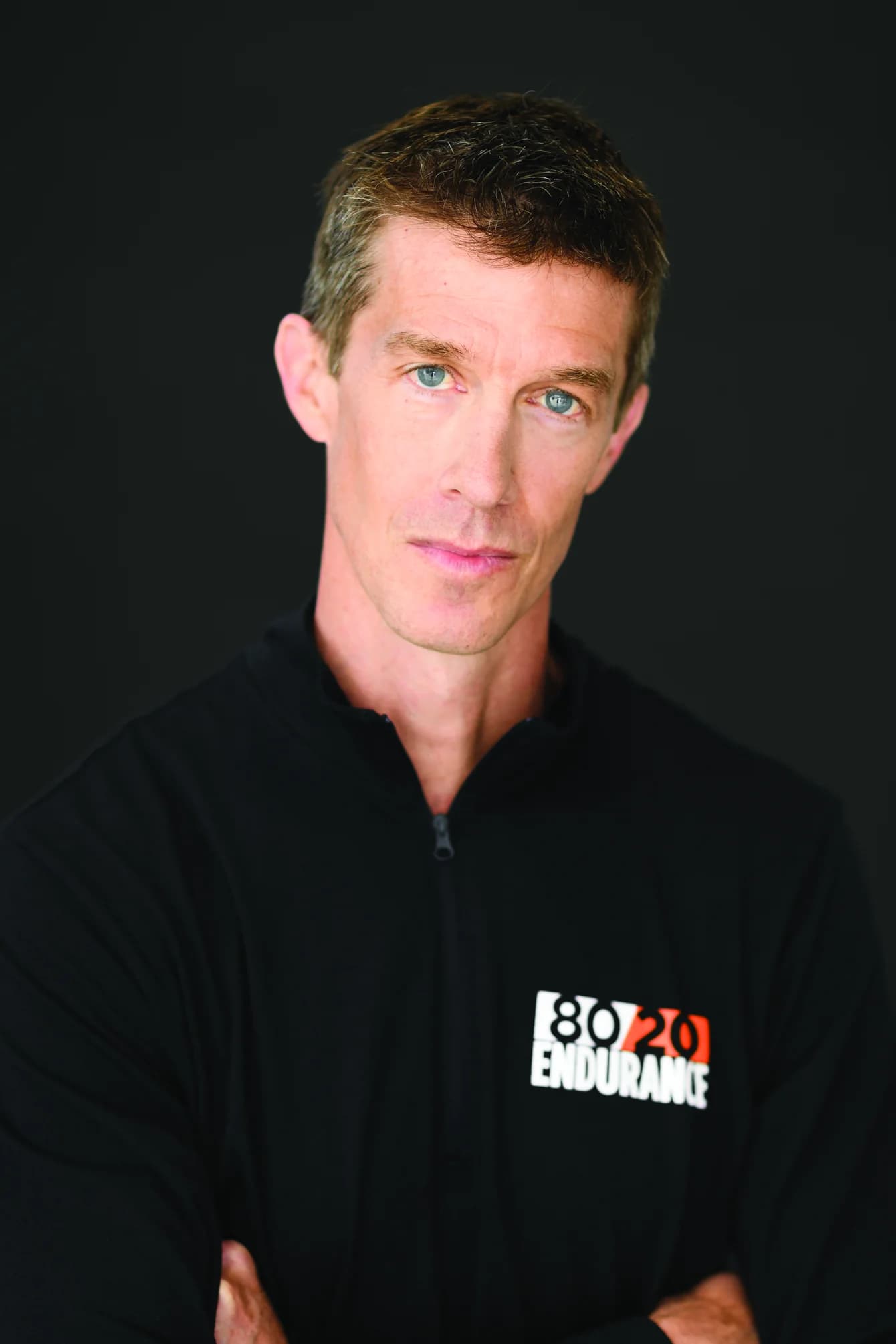
Matt Fitzgerald
Co-founder, 80/20 Endurance
Matt Fitzgerald is an endurance sports coach, nutritionist and the author of 80/20 Running, 80/20 Triathlon, The Endurance Diet and How Bad Do You Want It? His training plans have helped thousands of athletes of every level reach their goals.
More about Matt