- General
The Truth About The Boston Marathon

The Truth About The Boston Marathon
There’s no hiding in Boston. The crowds are loud, the hills are steep, and the emotional highs can drain you just as much as the physical demands. This post isn’t a sales pitch. It’s just what I’ve learned—open, honest, and maybe a little blunt.
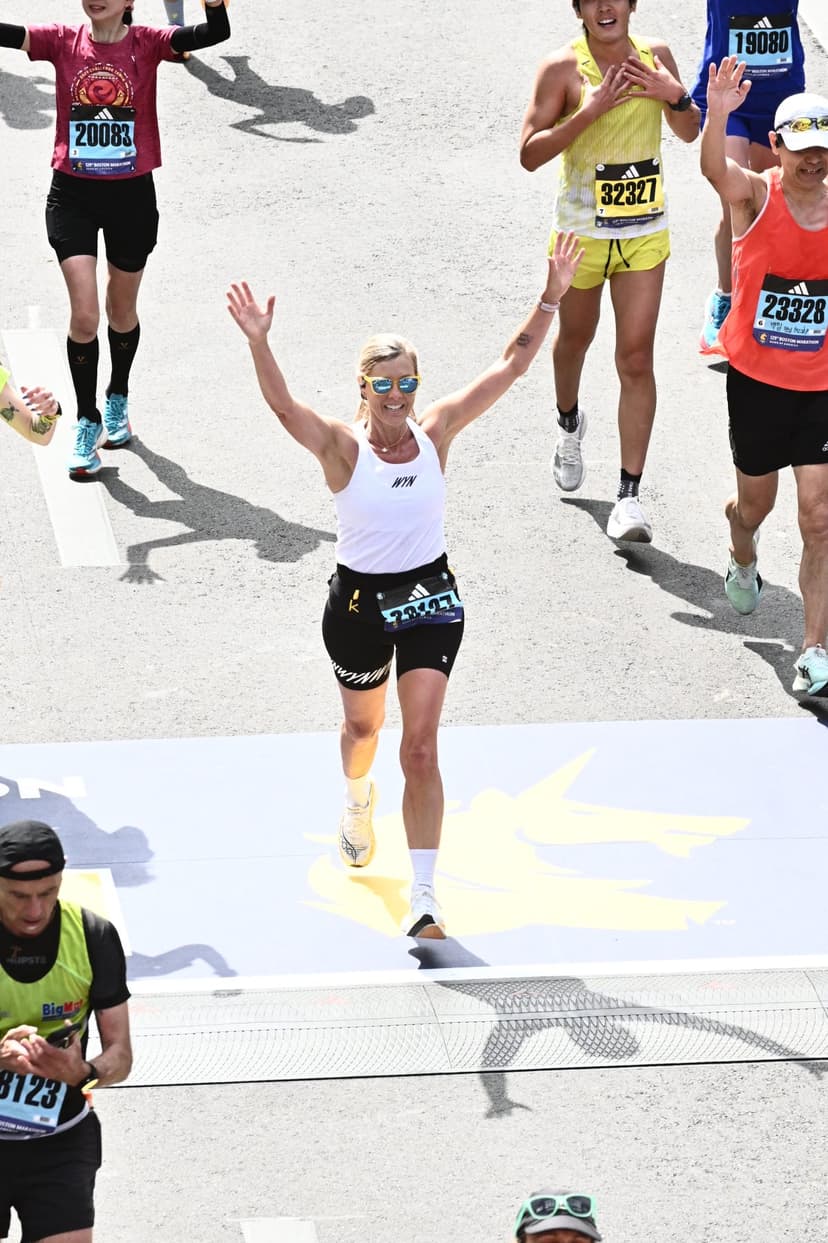
Every time I run the Boston Marathon, I learn something new—not just about the course, but about myself, my training, and what it really takes to show up prepared for a race like this. After my third Boston this year, I found myself reflecting on a conversation that made me realize how much we, as coaches and experienced athletes, sometimes forget the power of stating the simple truth.
What Makes the Boston Marathon Different?
A friend’s husband, who was at Boston this year to support, asked me a great question after witnessing the race in person: “What makes Boston different? How should someone prepare for it?” Ironically, he had attended a pro athlete panel at the expo the day before, where the advice was simply, “Have fun and enjoy the day.”
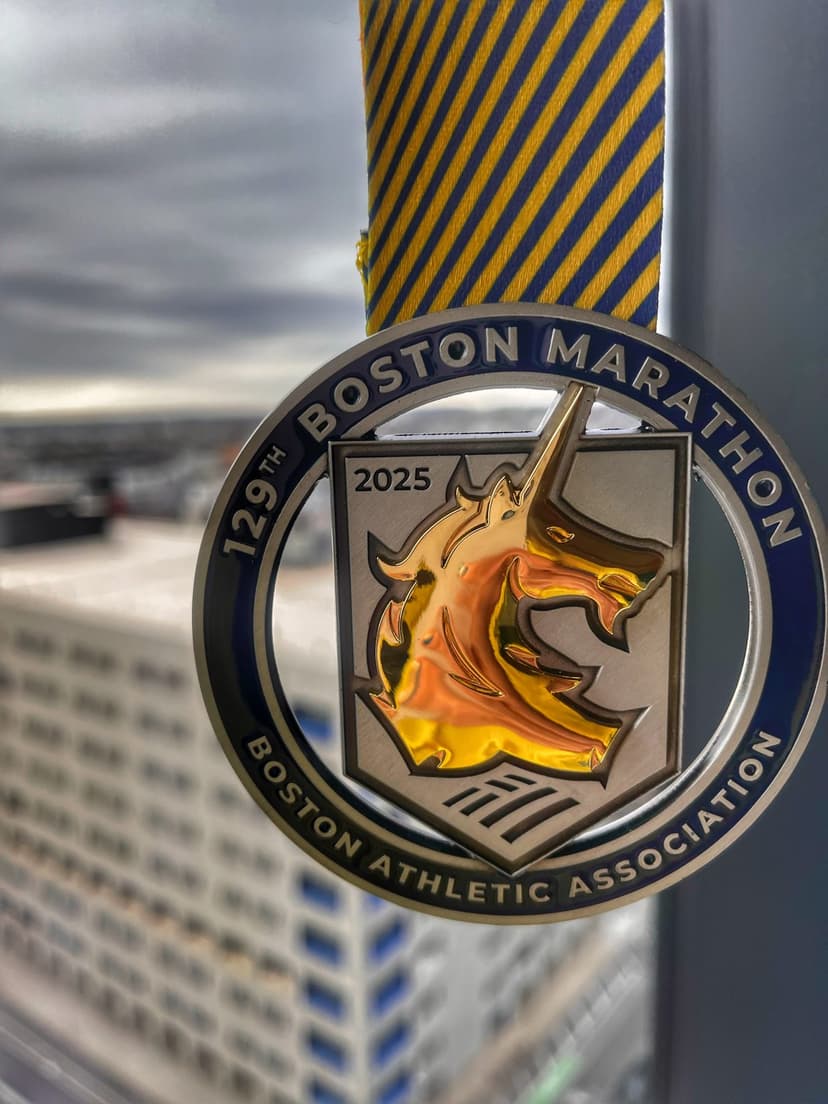
After the event, and seeing firsthand just how tough running the Boston Marathon is, this answer left him confused. And honestly? I get it. That kind of advice might work for pros or lifelong runners, but for everyday athletes trying to survive, let alone thrive, on Boston’s unpredictable and demanding course, it’s just not enough.
When he asked me, “What would you say to that question being here for your third time?” I didn’t sugarcoat it:
To do well at Boston, you need to be good at everything.
Downhills, uphills, pacing, nutrition, mindset, weather. You have to have a full runner’s toolbox. And you have to be able to stay emotionally grounded when 500,000 people are lining the streets, screaming what feels like your name. Boston doesn’t let you hide. It exposes every weakness. That’s the truth.
His response? “I wish you’d been up on that panel.” I thought to myself, I’m not so sure the day before running Boston, that’s what athletes need to hear. “Run happy” is probably the best thing you can say to an athlete 24 hours before they tackle the Boston Marathon.
If you’re focused on turning left onto Bolyston next season, or one to come, here’s the truth.
What Runners Want to Hear
It struck me how often we assume athletes already know this stuff, or that we think they don’t want to hear the gritty details. But they do. They want honesty. They want the little things—the hat or no hat questions, the carb-loading hacks, the gear debates. The things we think are too basic to share, those are the things people find most helpful.
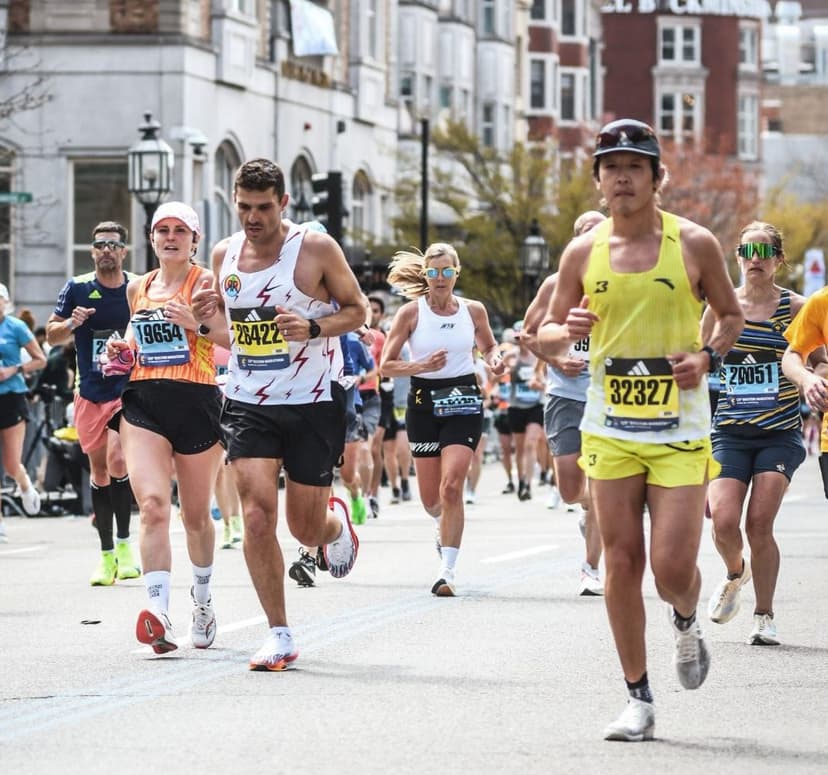 This year, I did a proper three-day carb load for the first time. It worked. I felt amazing—better mood, better energy, better race. Another truth, I also almost didn’t do Boston this year. I started training late. I wasn’t mentally in it for a while. And I shared that with another runner. His response? “I can’t believe you felt like that – I just assumed a coach and experienced athlete would never have doubts or struggle to get into a training groove. Thank you for telling me.”
That’s what stuck with me. We’re all just people out there—fast, slow, pro, or first-timer. And every one of us is having a human experience.
Real Advice for the Boston Marathon
So here’s my real advice for Boston—or any challenging marathon or other endurance course:
1. Train for the course. Boston is unique. Respect its profile and train accordingly. Don’t skip hill work, strength training, or long runs if you want a specific outcome.
2. Follow a plan – You may be surprised, however for my last 5 marathons (Wilmington Marathon, Boston x 3 and Chicago), I have used an 80/20 Level 1 Marathon Plan. You have to design, follow, and create a training program you can actually stick with week after week, that you enjoy, and that keeps you healthy and progresses your fitness.
3. Own your decisions. If you’re doing it for fun and training casually, that’s great—but don’t expect a PR and then feel disappointed. You get the race you train for.
4. Don’t underestimate the crowd. It’s incredible, but it can be overwhelming. Be prepared for the emotional rollercoaster.
5. Stick to your plan. Nutrition, pacing, gear—practice it all in training and don’t experiment on race day.
6. Be honest with yourself. Why are you doing this race? What do you want out of it? Let that guide your choices.
We’re going to start sharing more of these insights—bite-sized, experience-based, practical advice from coaches and athletes who’ve been there. Because we think this is what people really want. Not just marketing. Not just “run happy.” But the truth.
If you’ve got your eye on Boston or another big goal, we’re here for it.
Let’s talk training, mistakes, lessons learned, and how to line up next time with a little more knowledge in your toolbox. Reach out to me through my 80/20 Endurance Contact Page, and let’s chat!
-Coach Leyla Porteous